Before almost every first class, someone asks me about clothes. It’s usually a nervous question, like there’s a dress code I forgot to mention. There isn’t — and after years of teaching I can tell you it’s one of the most overthought topics in yoga. Every social feed makes practice look like it needs a carefully coordinated wardrobe, but that’s marketing, not practice. So let me settle it honestly, from real experience: you can begin in whatever you own, and the handful of things that actually help have nothing to do with looking the part.
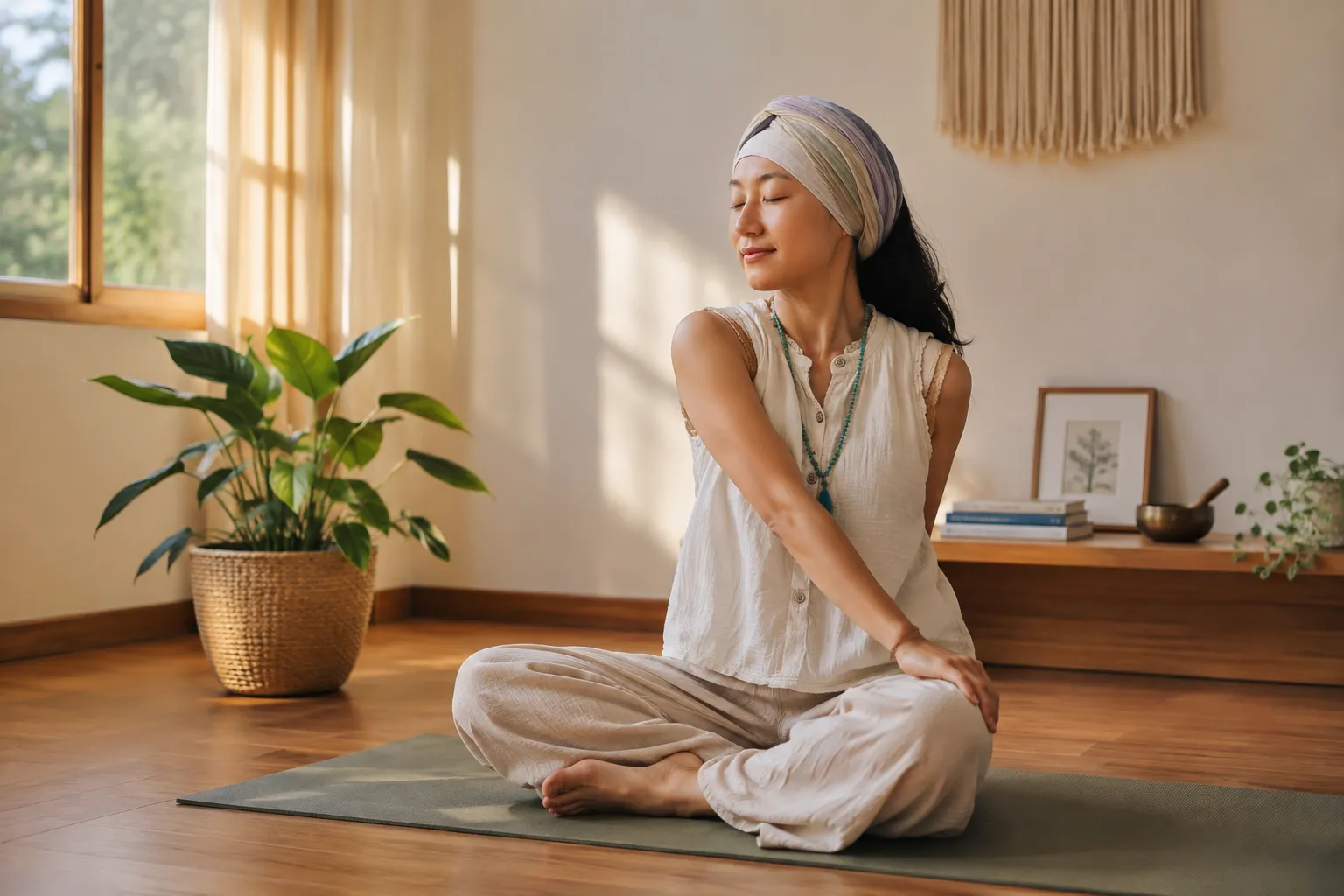
You Don’t Need Yoga Clothes
A mat, some water, and clothes you can move in are enough to begin. I’ve taught students who showed up in pajama bottoms and a loose t-shirt and had a great practice. In a home class, the only person judging your outfit is you.
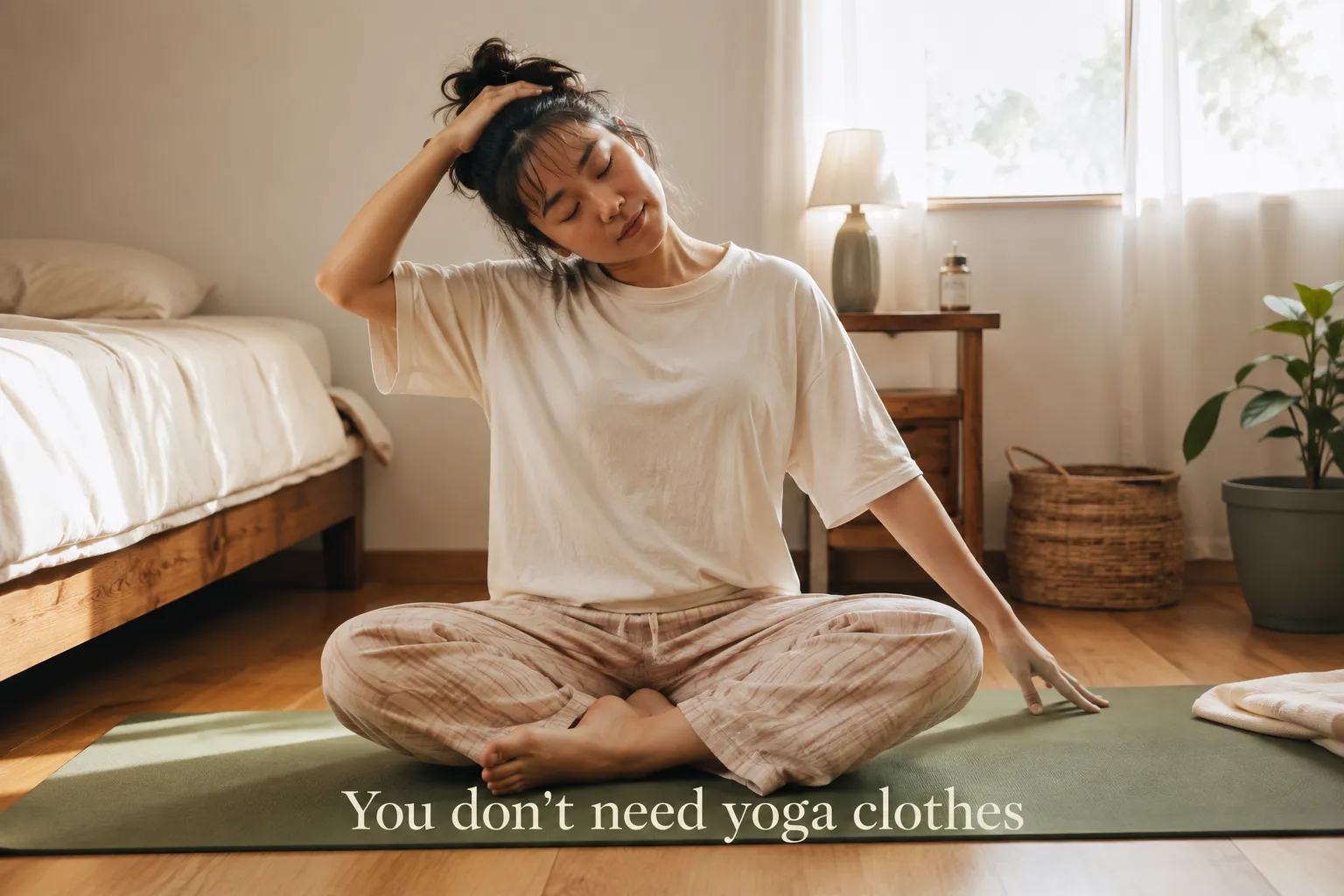
Before you buy anything, go through your wardrobe:
- Any t-shirt that isn’t tight across the shoulders.
- Loose bottoms — track pants, sweatpants, pyjamas.
- Socks, if your feet get cold.
- A hair tie, if you have long hair.
That’s a complete outfit. Buy nothing until you’ve practiced a few times and know what actually annoys you.
What Kundalini Actually Wants
When you do start choosing clothes for this practice specifically, three things matter more than style:
- Loose over tight. Kundalini is mostly seated work — spinal flexes, arm movements, breathwork. Tight clothes restrict the very movements you’re doing. Loose doesn’t mean so baggy it gets in the way, but your spine and shoulders should move freely.
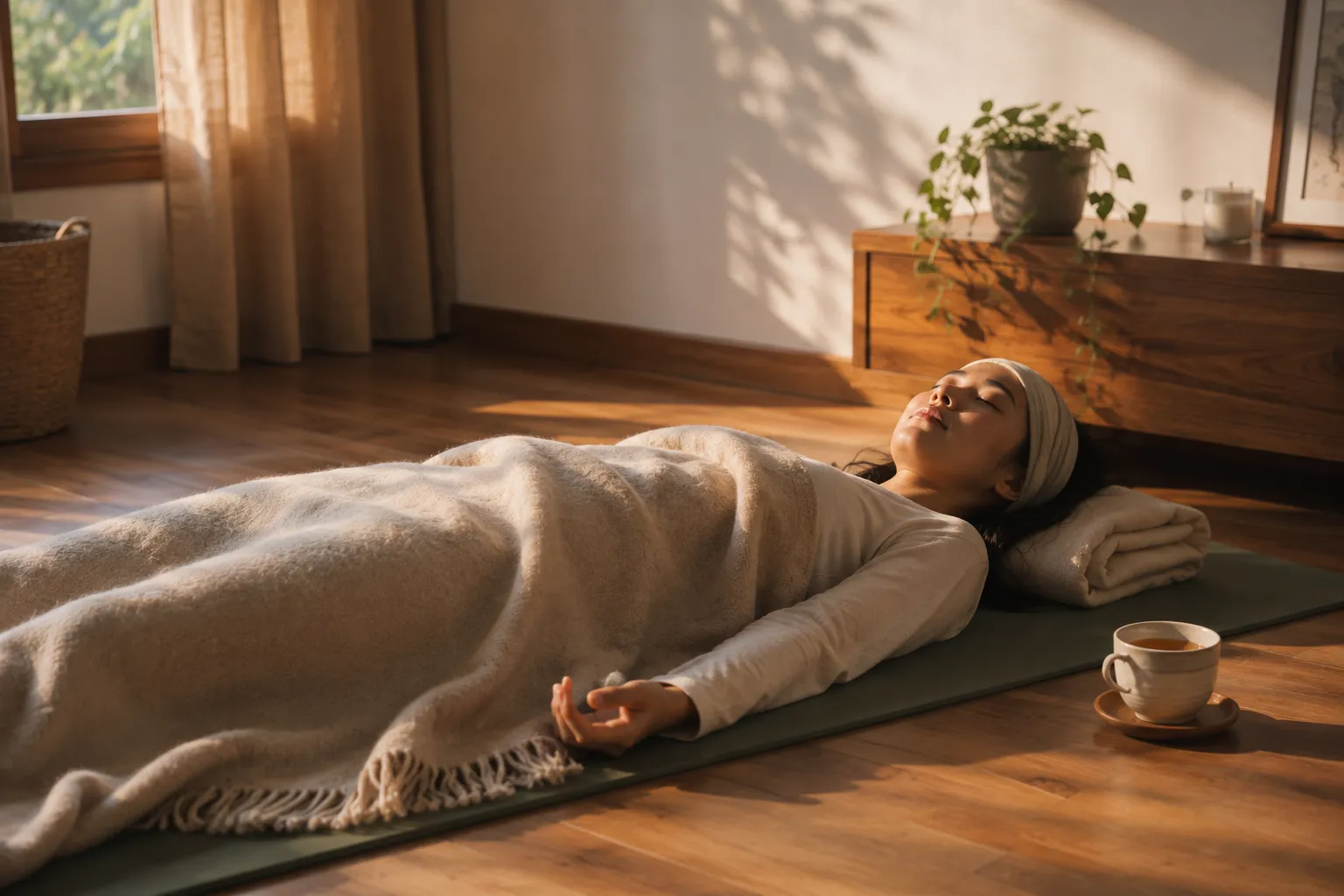
- Layers over a single piece. A Kundalini class goes from active movement to lying-still deep relaxation. Your body cools down fast in that final part, so a layer you can pull on — a long-sleeve shirt or hoodie — makes relaxation far more comfortable.
- Natural fabrics over synthetic. Cotton and linen breathe while you sweat and, more importantly, they don’t slide. Synthetic leggings ride up and feel clammy; for a mostly-seated practice they buy you nothing.
What the Camera Actually Sees
This is the part general yoga articles never mention, because it’s specific to live online classes. In a Zoom class, I’m not seeing you the way you see yourself in a mirror. Here’s what genuinely helps on camera:
- Solid colors read better than patterns. Busy prints can strobe and distract on a compressed video feed. A plain top and plain bottoms look clearest.
- Be seen, not the label. Skip loud logos — those are what the camera catches.
- Tie long hair back. In seated postures and forward bends, loose hair covers your neck and spine — exactly the places I’m watching to correct your posture.
- Light matters more than clothes. A lamp in front of you beats any fabric choice.
The White Tradition (Optional)
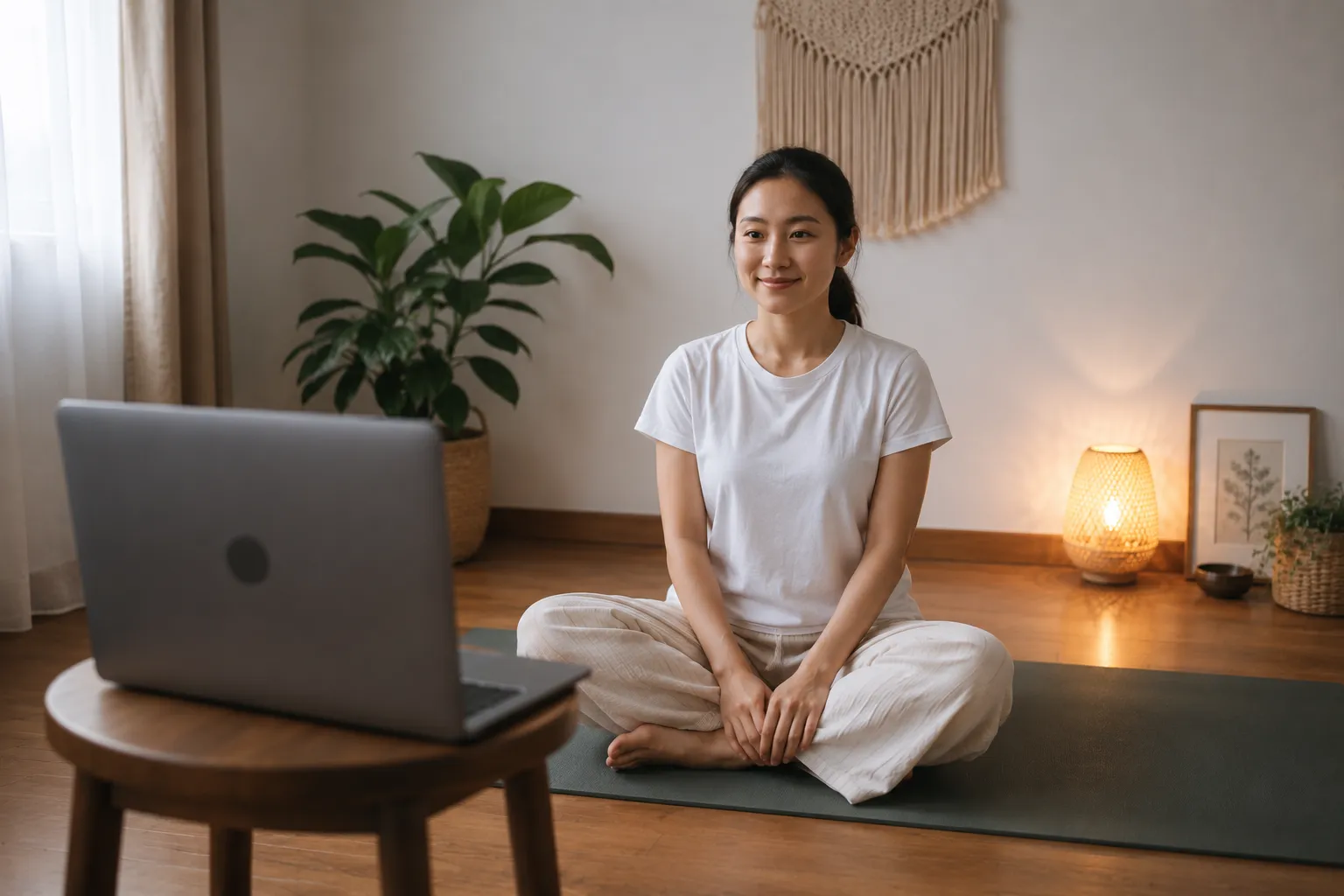
Since you’ll see it in Kundalini circles, a word on tradition. In Kundalini Yoga it’s traditional to practice in white clothing, and many practitioners also cover the head with a cotton cloth.
The tradition says white reflects light and supports the meditative field, and that wearing it helps carry the energy of the practice through the rest of the day. A head covering — usually a simple cotton cloth wrapped around the head — helps keep your attention inward and the body’s energy contained.
Here’s my honest position: these are meaningful practices, and they’re entirely optional. I teach people in whatever they’re comfortable in. If the tradition speaks to you, try it and feel the difference. If it doesn’t, your practice is just as valid in a grey t-shirt.
What Actually Ruins a Class
In reverse, here’s what I see go wrong — not injuries, just friction:
- Slippery, low-quality fabric that won’t stay put during spinal flexes.
- Waistbands that dig in when you breathe deeply — especially during Breath of Fire.
- Clothes so loose they slide over your face in forward folds.
- Jewelry that clinks or catches on your skin during movement.
Every one of these is fixable in five minutes with a different outfit. None require buying anything fancy.
The Honest Bottom Line
You don’t need a yoga wardrobe to start. You need a mat, water, something comfortable, and the willingness to show up. The clothes only become relevant later, once you’ve practiced enough to notice what your body prefers.
And when you’re ready to practice, the most important thing you can wear is consistency. That part is free.
Once your mat becomes part of daily life, read how to clean a yoga mat to keep it grippy — and if you’d like a little support in poses, see our yoga blocks guide.
Take the First Step
Not sure what works for you? Book a free trial class — a live 60-minute Kundalini session via Zoom where I’ll guide, correct, and encourage you from your very first session. Wear whatever you own.
Read next: How to Practice Yoga at Home — Setup, Equipment and Staying Consistent